
Hosted on ranches across Texas, SPI’s in-person workshops offer hands-on training for ranchers interested in exploring or enhancing their regenerative practices.
Workshop topics range from “Conserving Water & Building Soil with Regenerative Agriculture” to “Increasing Profitability Through Adaptive Grazing” and “Regenerative Ranching to Restore Biodiversity.” These 1 or 2-day workshops are held on ranches already implementing regenerative methods, providing real-life examples of success.
Led by an experienced educator and designed for groups of 25-30 producers, each in-person workshop includes a tour of the operation with the ranch owner, in-depth lessons, and hands-on demonstrations. Participants also have the opportunity to connect with local producers and share insights and experiences.

Key principles and practices that define regenerative ranching:
-
Carbon sequestration, also known as “carbon farming” or “regenerative agriculture,” includes various ways of managing land, especially ranchland, so that soils absorb and hold more carbon. The soil needs actively growing plants, vibrant communities of microbial species, and well-managed animal grazing.
-
Holistic Grazing Management is a decision making framework that assists farmers and others in establishing a long-term goal, a detailed financial plan, a biological plan for the landscape and a monitoring program to assess progress toward the goal. Holistic Management helps managers to ask the right questions and guides them in setting priorities.
-
Biodiversity creates positive environmental effects in agricultural landscapes. The complex interactions of roots and other living organisms within the soil impact soil dynamic properties, affect carbon sequestration and enable nutrient availability for plant productivity. Managing for increased diversity can also be applied to grazing animals, wildlife, and other organisms above and below the soil for a more substantially healthier and more productive operation.
-
The amount of water that ranchers can capture on their land can be impacted by their grazing management practices.
Water management uses measures to conserve water involving strategies to manage water on your operation as it feeds back into the environment.
By keeping the ground covered with plant life and utilizing proper adaptive grazing of one or more animal species, soil microbes become available to form soil aggregates — which help turn the soil into a sponge that soaks up air and water.
-
Grass-fed animals contribute to soil fertility, resulting in substantially higher absorption of CO2 emissions— an important step toward decreasing the carbon footprint and mitigating climate change.
What does that mean? Animals are regularly moved to a new grassland area. This allows the already grazed paddock to regrow before the next grazing cycle begins, resulting in replenished soil that promotes new grass growth. Allowing the soil to renew and plant life to develop before the next grazing session enriches the land while also ensuring that the pasture stays healthy and rich in nutrients for the animals to graze.
Pasture-raised animals provide nutrient-dense proteins, offering a diverse micronutrient profile. This investment means equal dedication and effort into decreasing or neutralizing ecological footprint as generating revenue to preserve and restore natural resources.
-
Including livestock grazing provides a financial return that enables a cover crop, or forage crop, to be left in the field for much longer than a normal cover crop, even if growing the cover as a substitute cash crop during the main growing season.
Another way that nutrient inputs are reduced with the integration of livestock grazing is by having active plants growing year-round especially deep-rooted perennial species as is common with grazing systems. This reduces losses of nutrients from leaching and tightens nutrient cycling. The main goal is to minimizing synthetic chemicals and pesticide inputs over time.
-
Regenerative agriculture is intrinsically good for business. This is a result of farmers benefiting from lower input costs, secure yields, increased natural capital and higher margins for their produce.
Many farmers may be worried about the reduction or drop in yields in the first few years, but as regenerative agriculture is about learning what works for an individual farming system, changes may be a phased approach, trialling new or moving back to traditional methods that work on their farm.
-
Staff and local communities are key to any farming system. Regenerative agriculture engages in issues including a living wage, living conditions, working hours and conditions for any person employed on the farm, alongside how the farm business communicates and interacts with local communities.
Reduced exposure to pesticides and synthetic fertilizers lowers the risk of health issues, resulting in improved well-being for owners, staff, the community and the environment.
We are honored to partner with three organizations, Holistic Management Institute, National Audubon Society, and Understanding Ag to bring their knowledge and expertise to select SPI workshops.
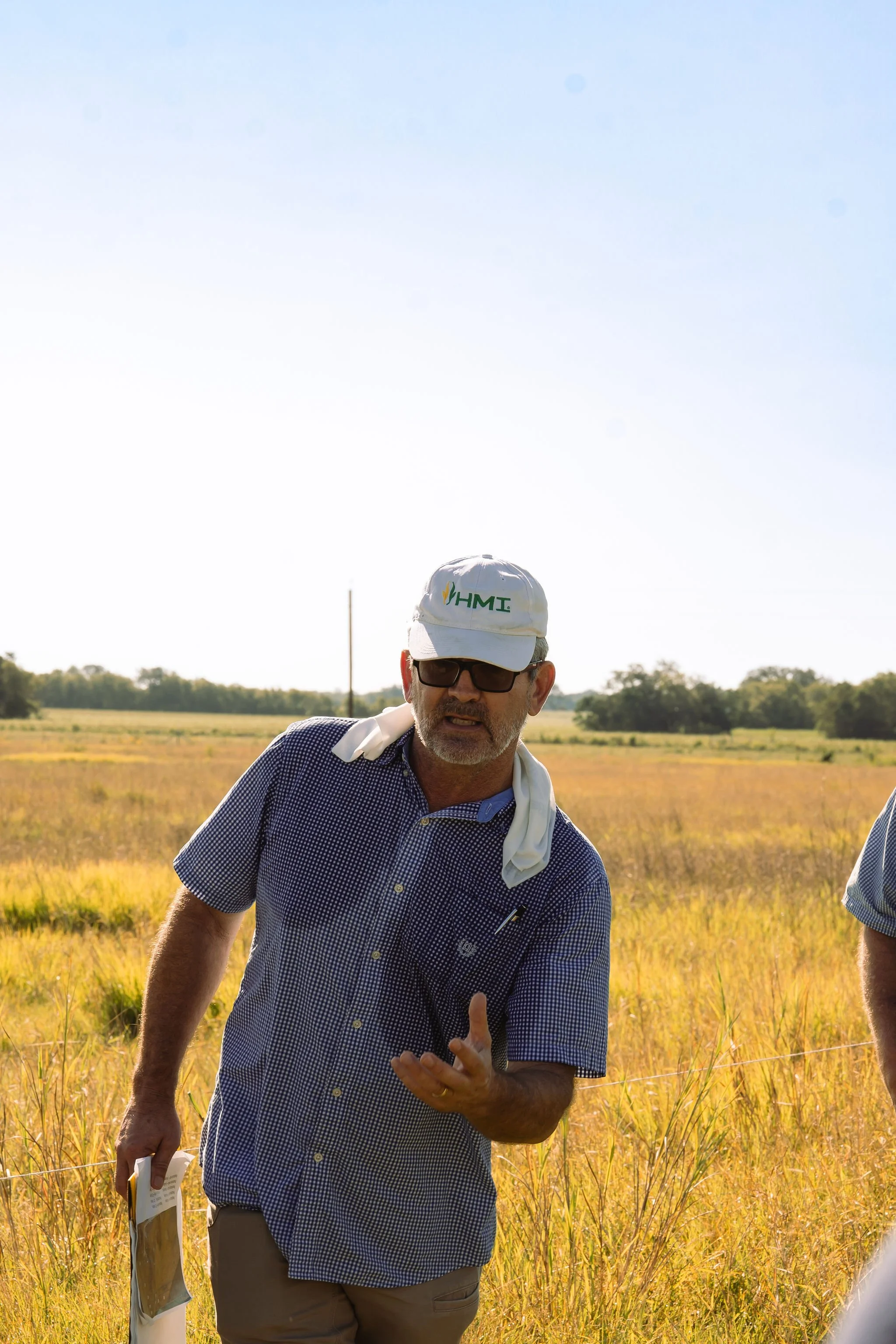
Holistic Management International (HMI)
Holistic Management International (HMI) is a nonprofit founded in 1984 that has trained more than 90,000 farmers, ranchers, and land stewards across 150 countries — influencing the management of over 133 million acres of land worldwide. HMI delivers that impact through a network of Certified Educators and implementation specialists who walk with producers from first exposure through to real, lasting change on the ground. HMI's Holistic Management framework is not a theory; it is a tried and tested management process, refined over four decades of practice across six continents, that helps land stewards improve soil health, increase biodiversity, and build the kind of resilience and profitability that keeps farming families on the land for generations to come.
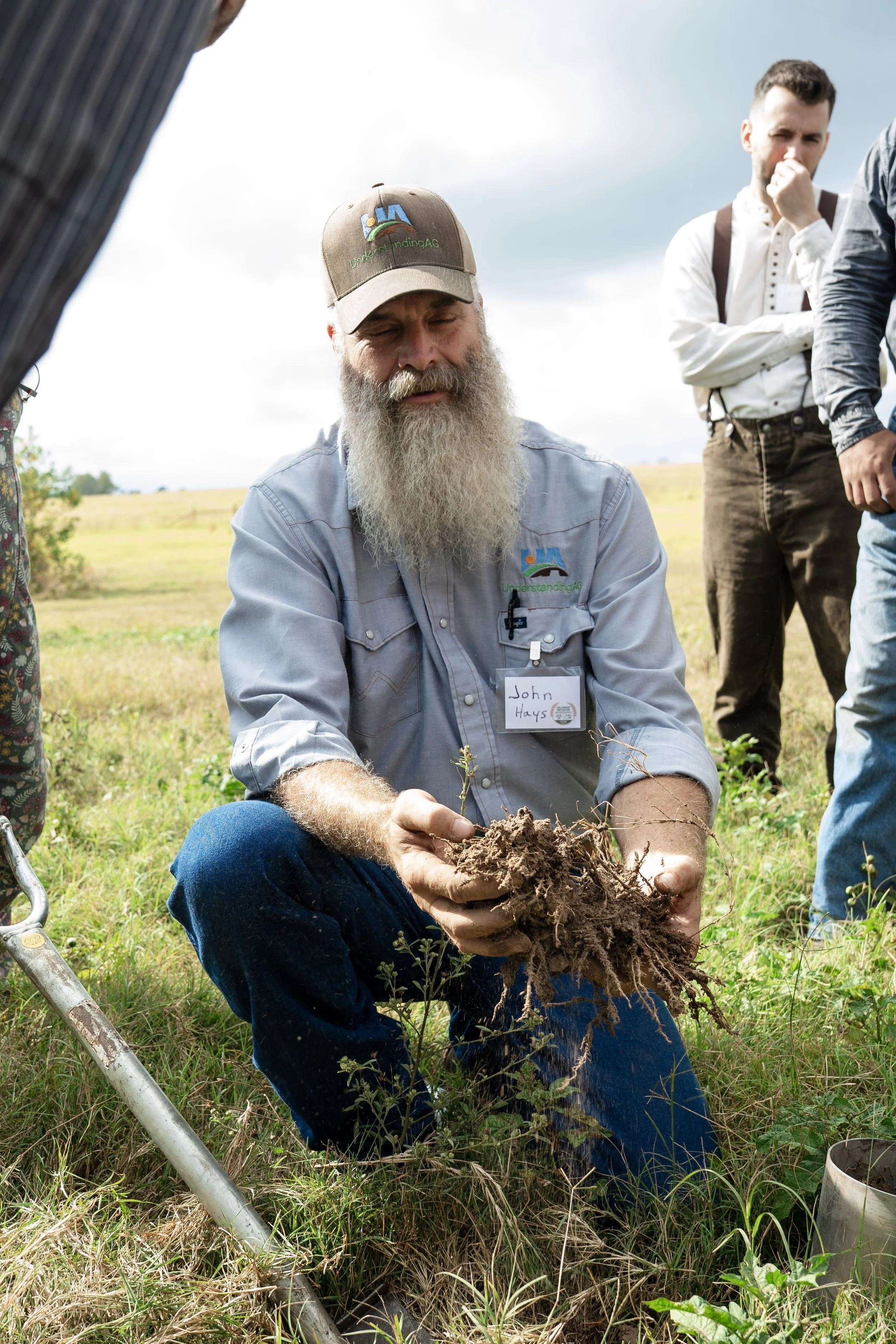
Understanding Ag
Understanding Ag is a leading regenerative agriculture consulting firm that has empowered over 4,000 farmers and ranchers across North America and beyond. Their consultants have worked with operations ranging from a few acres to over 2 million acres, providing tailored guidance on regenerative practices. Through their Regen Ag 101 course, Understanding Ag has helped producers transition from conventional agriculture to soil health-centric regenerative agriculture on more than 17 million acres of land. Their approach emphasizes adaptive stewardship, aiming to build resilient, profitable agricultural enterprises.

National Audubon Society
Dedicated to protecting birds and their habitats, the National Audubon Society employs science, advocacy, education, and conservation efforts. The Audubon Conservation Ranching Program aims to stabilize declining grassland bird populations by assisting farmers and ranchers in promoting biodiversity and improving ecosystem functions through sustainable grazing practices.